-
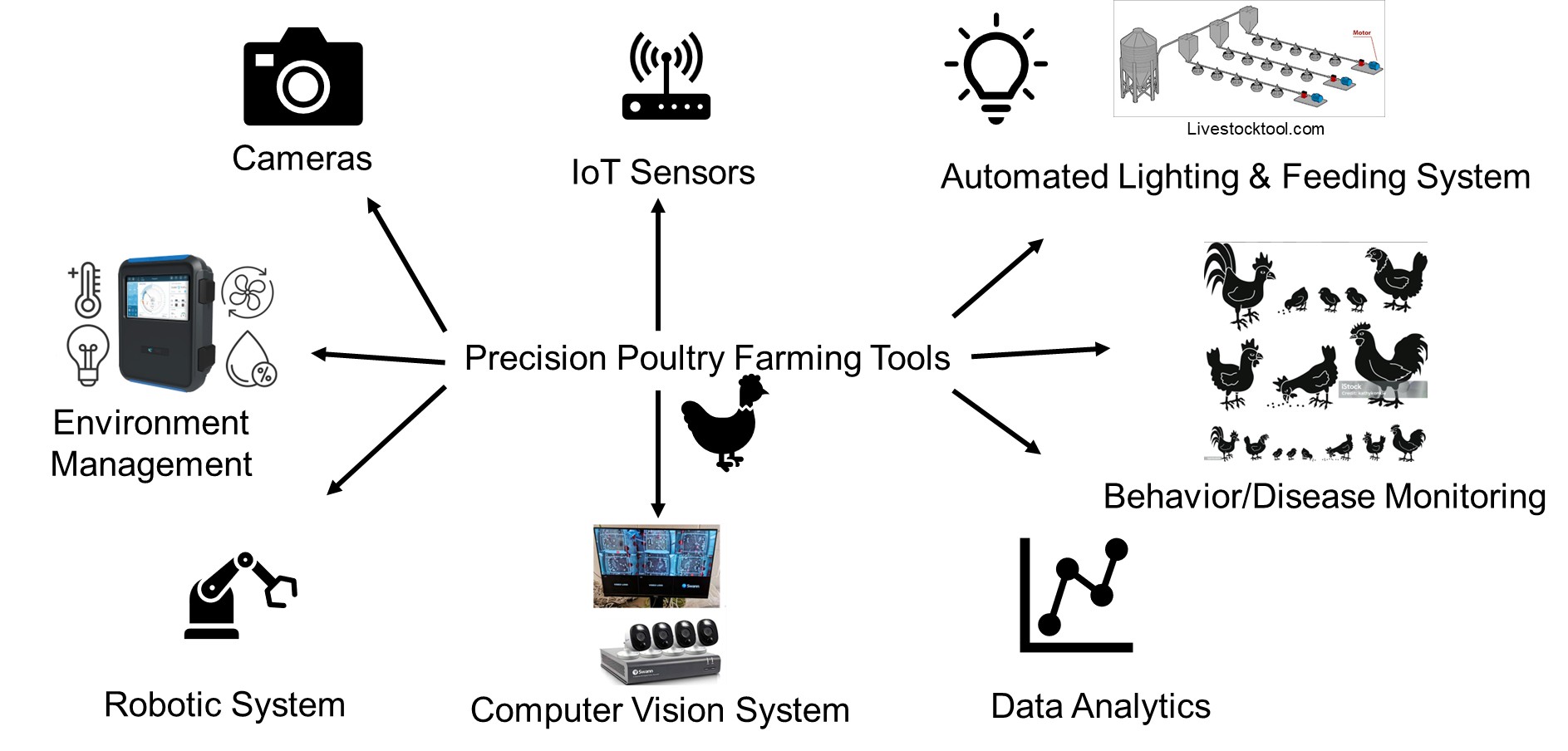
Historically, livestock farming relied heavily on manual labor and subjective assessments for health monitoring, feed management, and environmental control. Over the past two decades, the integration of sensor technologies and automated systems has laid the foundation for the current era of smart livestock farming. The emergence and development of Artificial Intelligence (AI), cloud computing, Internet…
Posted in: poultry monitoring -
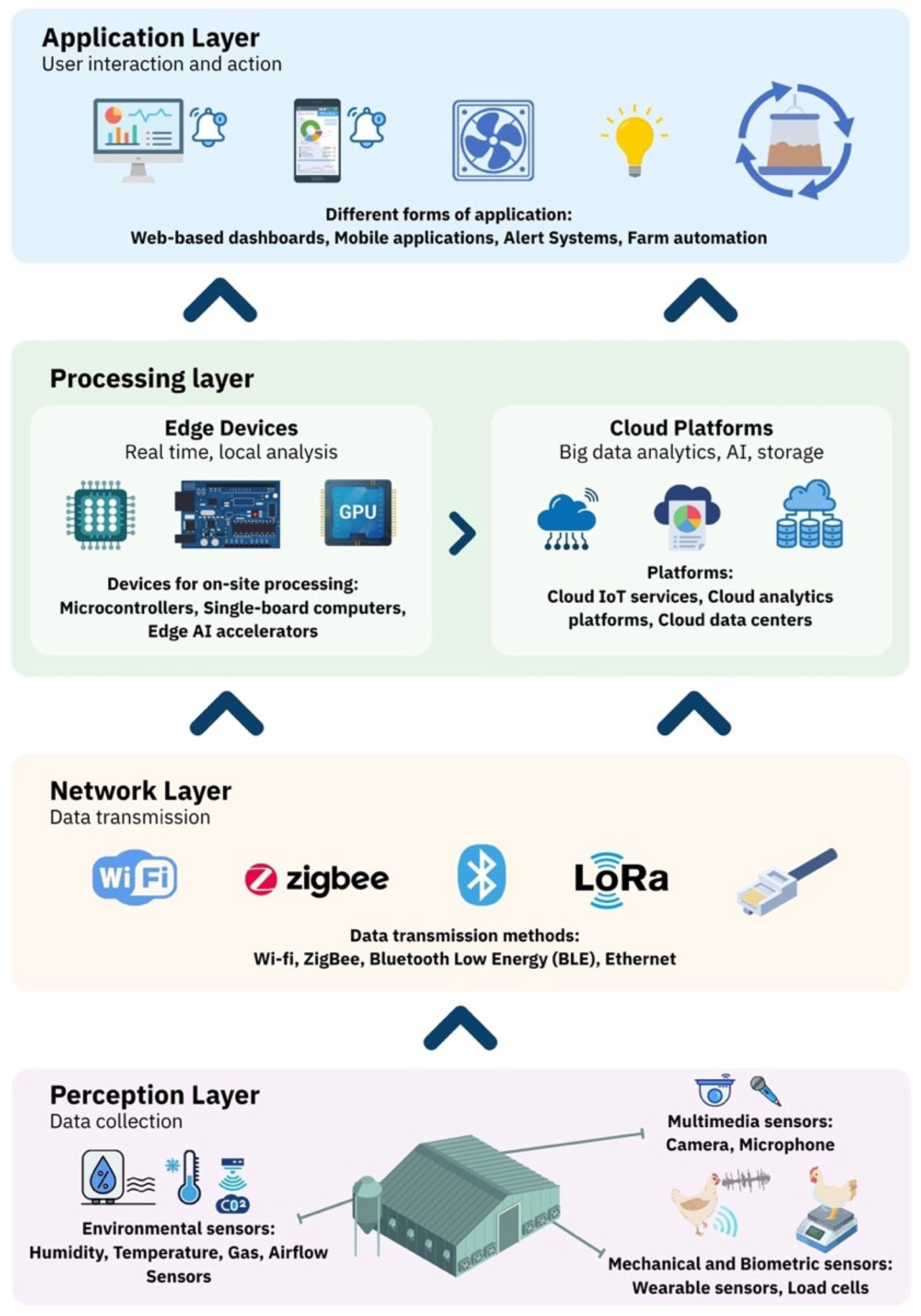
In recent years, global poultry production has increased substantially in response to growing demand for affordable animal-source protein. To meet this demand, poultry production systems have become increasingly large and concentrated, creating significant challenges in disease management, productivity, and animal welfare. In such systems, manual flock monitoring and management are becoming increasingly impractical, highlighting the…
-
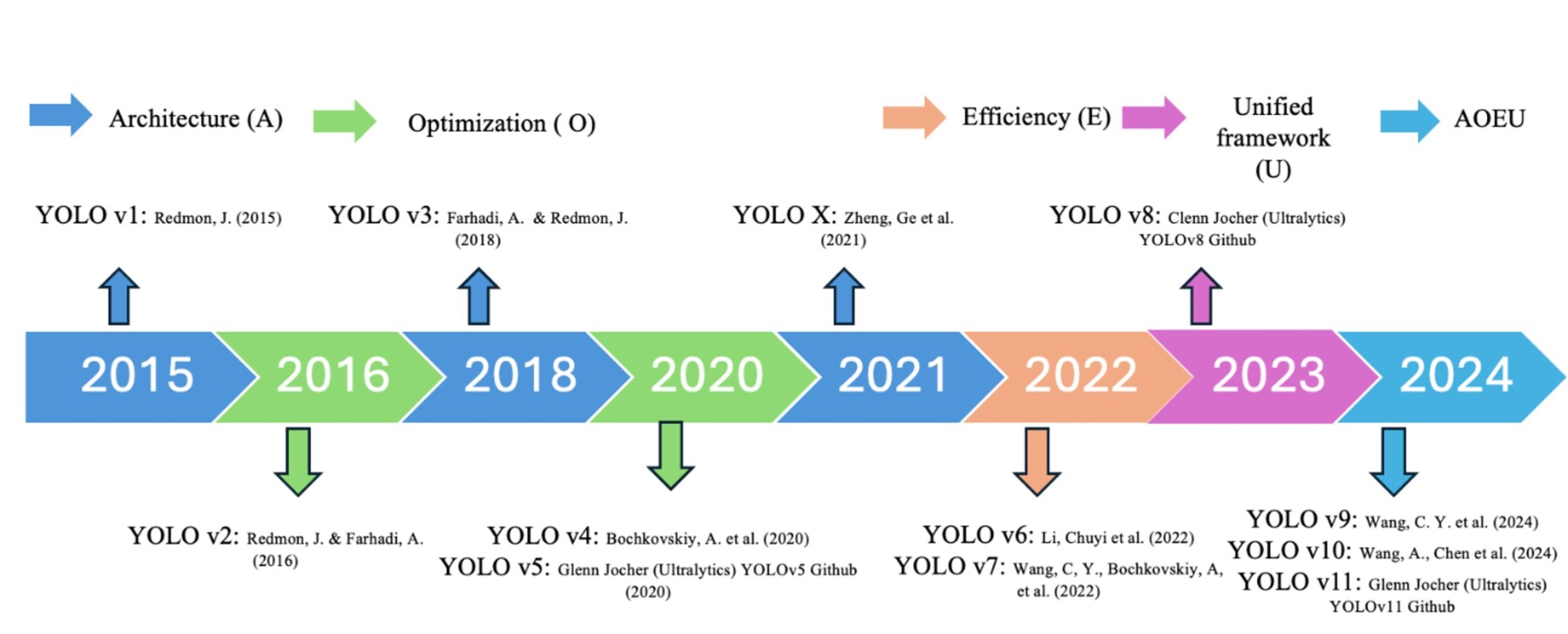
Precision livestock farming (PLF) is defined as the management of individual animals by continuous, automated, and real-time monitoring of health, welfare, production/reproduction, and environmental impact. It encompasses a wide range of engineering principles, techniques, applications, and tools for data acquisition, pre-processing, modeling, post-processing, and analysis. Non-invasive techniques such as using wearable sensors, accelerometers, and radio…
-
May 6, 2026 – 09:00-15:30 US Eastern Time Coordinator: Lilong Chai, UGA Poultry Science Welcome & Updates 09:00 AM Welcome and Poultry Science Department Update Todd Applegate, Department Head & Distinguished Professor, UGA Poultry Science 09:10 AM Welcome and Georgia Poultry Federation Update Mike Giles, President, Georgia Poultry Federation 09:20 AM UGA Poultry…
-
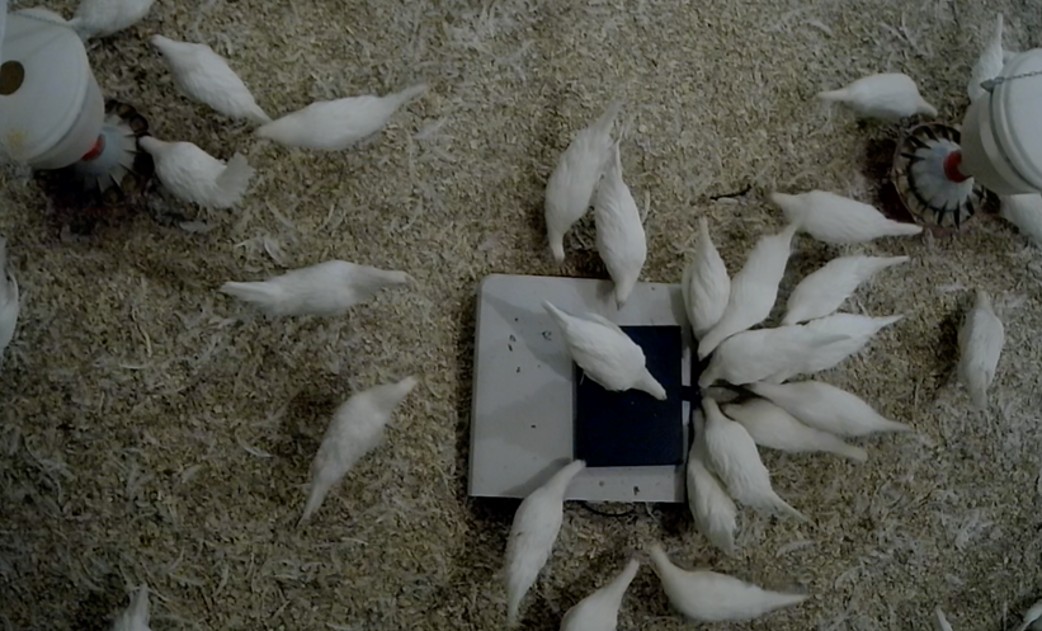
Poultry welfare monitoring is an important aspect of modern animal husbandry, particularly in cage-free layer, broiler, and breeder production systems where birds have greater freedom of movement but are also exposed to a broader range of health risks. Poultry bodyweight is a key welfare indicator; its monitoring is critical for evaluating the growth and performance…
-
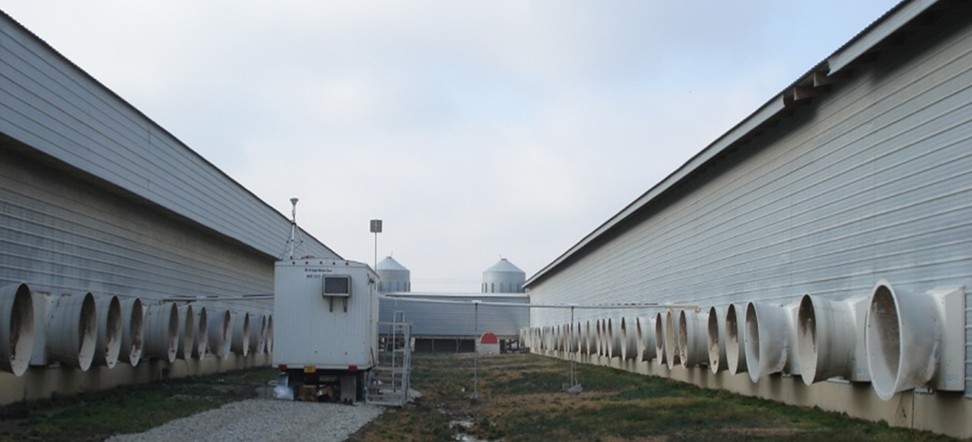
The Rural Energy for America Program (REAP) is a U.S. Department of Agriculture (USDA) initiative that offers financial assistance to help agricultural producers and rural small businesses improve energy efficiency and adopt renewable energy systems. One specific part of this program focuses on Energy Audit & Renewable Energy Development Assistance Grants, referred to simply as…
-
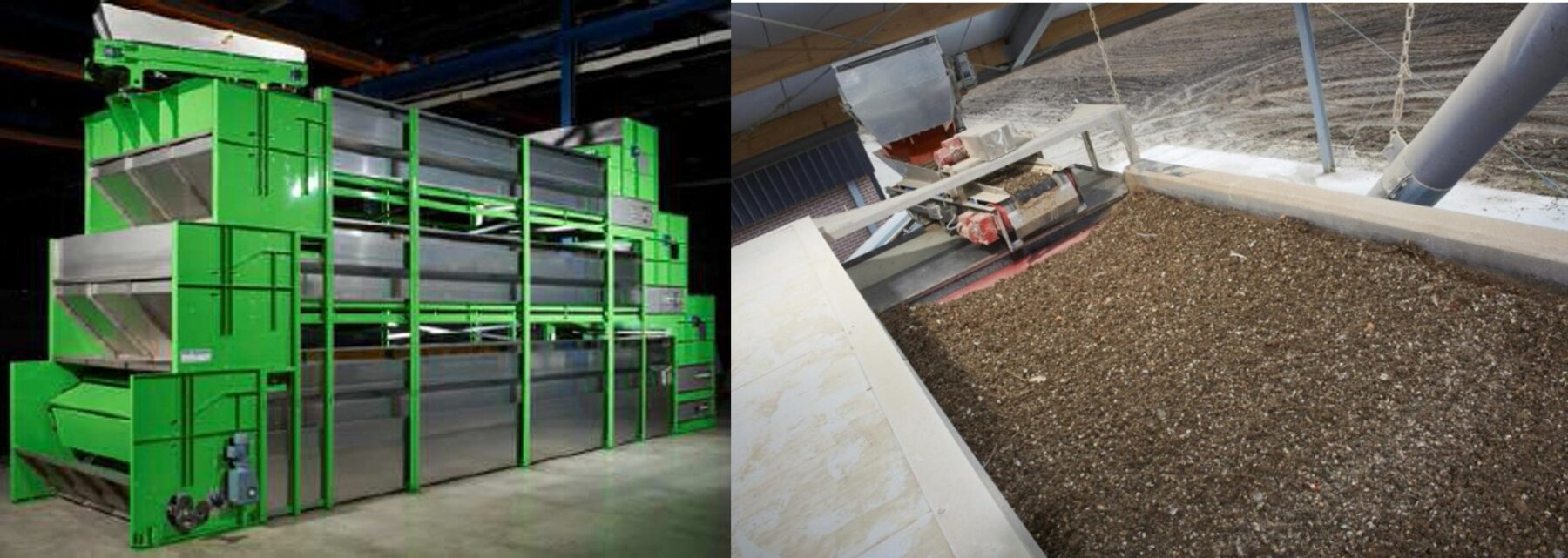
In the USA, broiler chickens produce about 10-15 million tons of manure annually. Fresh poultry manure contains about 75% moisture that must be reduced prior to storage and land application. High moisture manure can lead to higher transport costs, faster reproduction of pathogens/bacteria and flies, and the generation of odors. Furthermore, wet manure tends to…
-

The poultry industry faces growing challenges in ensuring animal welfare, preventing disease outbreaks, and addressing labor shortages. Traditional vision intelligence-based behavior monitoring needs intensive manual labeling, which is impractical for large-scale operations, necessitating advanced, efficient, and scalable solutions. Utilizing artificial intelligence technologies to monitor poultry behavior accurately in real-time can revolutionize animal welfare practices and…
-
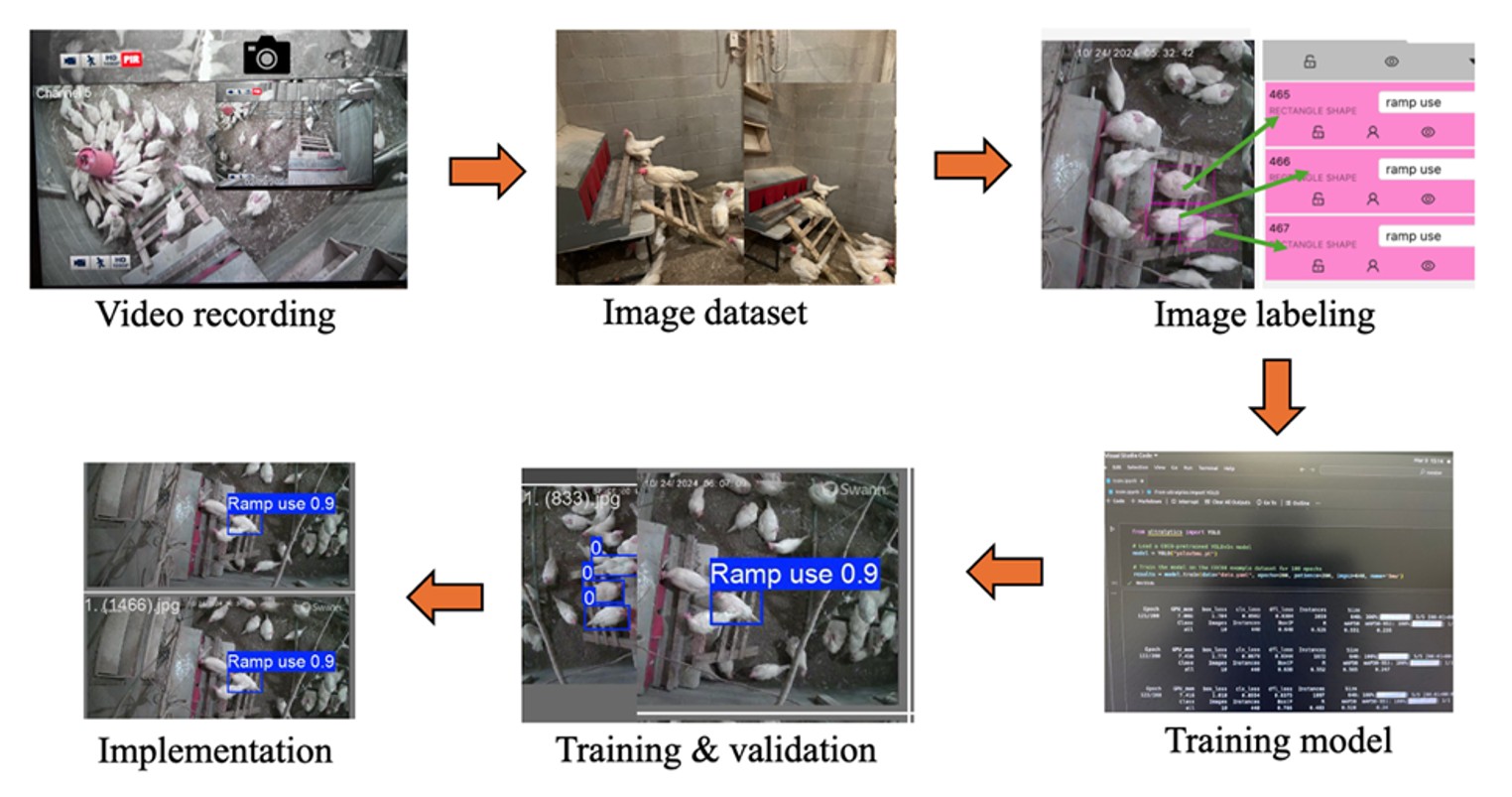
U.S. egg production is shifting from conventional caged systems to cage-free systems, largely due to growing concerns about animal welfare. Over the past decade, the market share of non-organic cage-free eggs has increased by 5–10%, reaching 40% by 2025. However, cage-free housing is associated with higher rates of mortality and injury, often linked to poor…
-

The UGA Poultry Science Extension team just hosted a successful 2025 Georgia Layer Conference at the GPLN in Gainesville, GA on September 22, 2025. We sincerely thank all the speakers for sharing valuable updates and insights on key topics such as laying hen production, the transition to cage-free systems, egg safety, avian influenza outbreaks, mite…