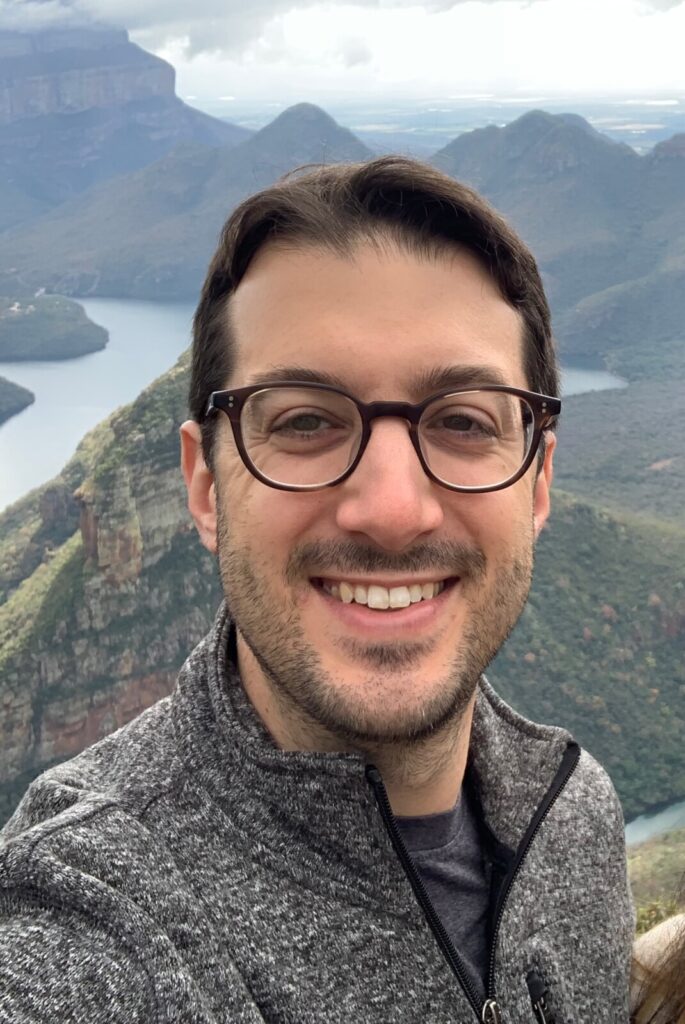
Andrew Gloss
Assistant Professor
Education and Previous Positions:
Postdoctoral Fellowship, Genomics and Systems Biology, New York University
Postdoctoral Fellowship, Ecology & Evolutionary Biology, University of Chicago
Ph.D., Ecology & Evolutionary Biology, University of Arizona
B.S., Biology, University of Notre Dame

Tyler Simmonds
Research Professional
M.S., Entomology, University of Georgia
B.S., Genetics, University of Georgia
Previous Research: During his M.S., Tyler studied symbiotic microbes associated with parasitoid wasps using sequencing techniques. He also worked during this time at the University of Georgia sequencing core, and he subsequently held a position with the USDA sequencing and assembling insect genomes in support of the Ag100Pest and Beenome100 project.
Current Research: Tyler is using comparative genomic and transcriptomic approaches to study how herbivory evolves. Currently, he’s using single cell RNA sequencing to characterize the changes in gene expression patterns across cell types in the gut of herbivorous Scaptomyza, which feed exclusively on living plant leaves, and their close relatives that feed on rotting plant material.

Nathan Mak
Ph.D. Student, Department of Entomology (Fall 2025-present)
B.S., Biological Sciences & Entomology, Cornell University
Previous Research: As a laboratory technician at Purdue University, Nathan examined the impacts of anthropogenic contaminants on aquatic wildlife.
Current Research: Nathan’s research focuses on understanding the evolutionary mechanisms through which insects expand their dietary niche. He focuses on two study systems: (1) a radiation of Scaptomzya flies that evolved the ability to facultatively feed on living plant leaves, in contrast to their ancestors and relatives that feed on rotting plant material and microbes; and (2) a lineage of obligately herbivorous Scaptomyza that ancestrally specialized on mustard plants but have evolved to feed on other plant families as well. He’s particularly interested in how plasticity in gene expression enables the use of novel dietary niches, and how this plasticity evolves as insects adapt to novel diets.
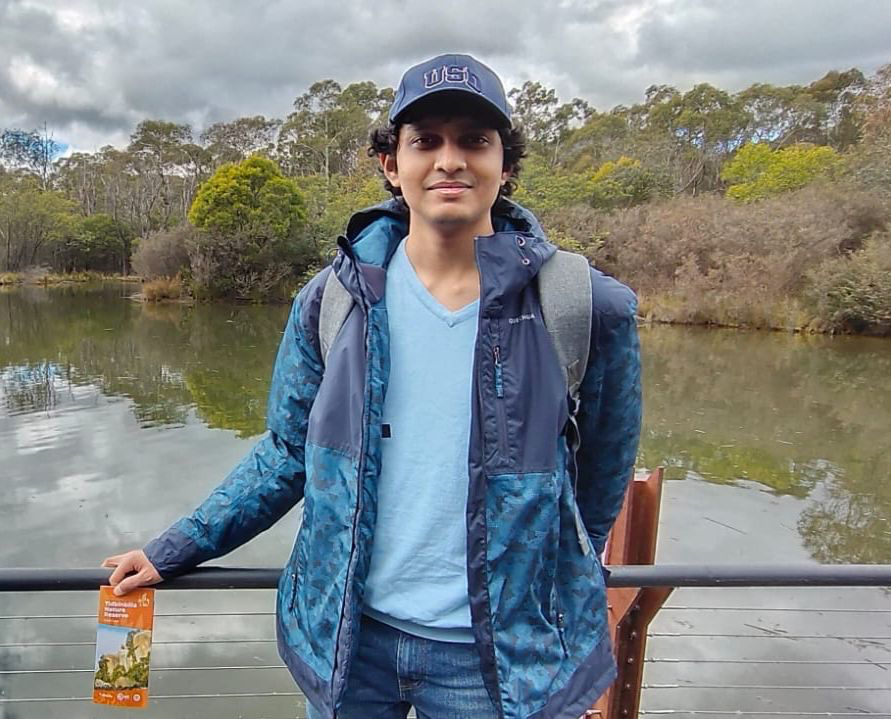
Advait Pai
Ph.D. Student, Department of Entomology (Spring 2026-present)
B.S. & M.S., Biology, Indian Institute of Science
Previous Research: For his M.S. thesis, Advait investigated the patterns and consequences of variation in behaviors that tree crickets employ to attract mates across heterogeneous landscapes.
Current Research: Advait is interested in the molecular mechanisms through which herbivores adapt to the plant-produced compounds in their diet—particularly how herbivores evolve to metabolize plant toxins or use them to evaluate potential host plants. He’s integrating comparative genomics with single cell transcriptomics to test the hypothesis that cell types mediating digestion and detoxification of plant chemicals are hotspots of rapid evolution during evolutionary transitions to herbivory. He’s also exploring how shifts in the perception and behavioral responses to plant toxins mediate evolutionary transitions between the use narrow or broader suites of host plants (i.e., between specialization and generalism).

You?
If you’re interested in joining the lab, please reach out: andrew.gloss@uga.edu