
Welcome back to Urban Pods! In this episode, your host, Dr. Ruchika Kashyap, dives deep into the dynamic world of Controlled Environment Agriculture (CEA), addressing common questions like: “What exactly is CEA?” and “Can a backyard hoop house be considered CEA?”
Dr. R. is joined by the UGAs CEA Fab Five, a powerhouse team of experts from the University of Georgia, who are leading the charge in CEA research, extension, and innovation. They discuss the broad spectrum of CEA—from simple high tunnels to advanced indoor vertical farms—and how it’s revolutionizing food production, resource utilization, and even space exploration.
The discussion explores the diverse backgrounds of CEA growers, the differences between breeding for the field versus CEA, and the critical importance of Integrated Pest Management (IPM) and disease management in these closed systems. Our experts also share how their individual research pillars—Crop Physiology, Plant Breeding, Entomology (IPM), and Phenomics—are converging to create predictable, profitable, and sustainable recipes for the future of urban and controlled agriculture. This episode is essential listening for anyone interested in the science, technology, and business of growing fresh, local food in a controlled environment.
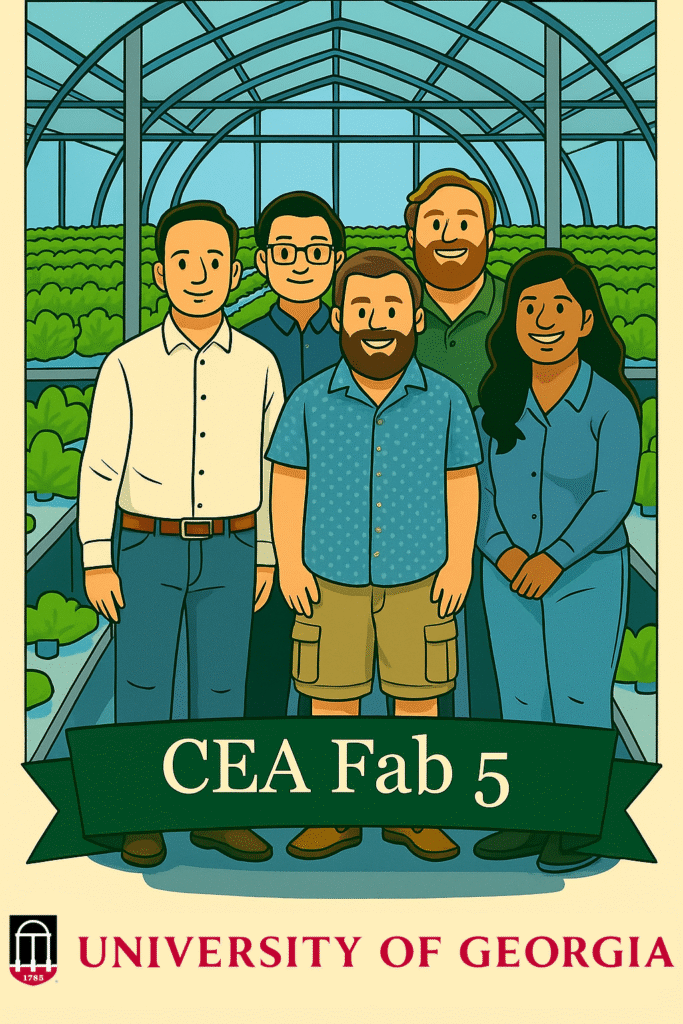
Fab Five is the team of experts driving the Controlled Environment Agriculture program at the University of Georgia (UGA) is a multidisciplinary group dedicated to advancing research and supporting growers across all scales. Dr. Ruchika Kashyap (Host) is an Assistant Professor and Extension Specialist of Urban and Controlled Environment Plant Pathology, focusing on managing biotic diseases of edibles grown in CEA systems using Integrated Disease Management (IDM) strategies. Dr. Rhuanito Ferrarezi, an Associate Professor of CEA Crop Physiology and Production, focuses on understanding how plants respond to environmental stimuli (like light and temperature) to create optimal production recipes for growers. Dr. Andrew Ogden, an Assistant Professor of Plant Breeding, specializes in developing new horticulture cultivars tailored for CEA systems, emphasizing traits like flavor, appearance, and genetic disease resistance. Dr. Erich Schoeller, an Assistant Professor and CEA Entomologist, focuses on Integrated Pest Management (IPM) in controlled environments, studying how to prevent and control pests like thrips and whiteflies, and researching the use of biological controls under different production lights. Finally, Dr. Zhihang Song, an Assistant Professor and CEA Phenomics expert, applies engineering and sensing technologies, including advanced imaging and AI, to quantify plant growth and health, helping to standardize data for precise control and support across the industry.
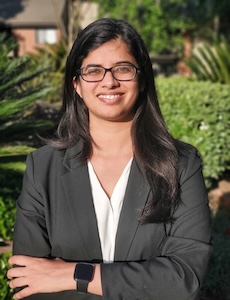

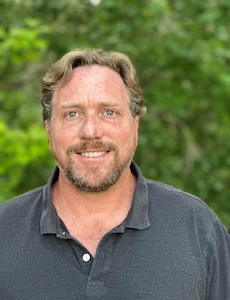

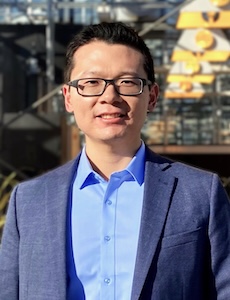
Ruchika Kashyap
ruchika.kashyap@uga.edu
HOST
Rhuanito Ferrarezi
ferrarezi@uga.edu
Andrew Ogden
aogden@uga.edu
Erich Schoeller
erich.schoeller@uga.edu
Zhihang Song
zsong@uga.edu
Links to topics discussed
Controlled Environment Agriculture (CEA)
Integrated Pest Management (IPM)
Transcript
UGA’s CEA Fab Five: Specialists in CEA Research and Extension
Ruchika Kashyap: [00:00:00] Hello everyone. Welcome back to Urban Pods, where science meets people and innovation turns into real action, all in the vibrant world of urban and controlled environment agriculture. I’m your host, Dr. Ruchika Kashyap, or just Dr. R if you prefer assistant professor and extension specialist of urban and controlled environment, plant pathology at University of Georgia.
Ruchika Kashyap: In our last episode, we had the absolute pleasure of meeting the amazing team from the Center for Urban Agriculture here at UGA. Their mission. It’s all about bridging the gap between city living and sustainable farming. They shared their stories, their roles, the awesome certification programs they run, and their vision for building a healthier, greener future.
Ruchika Kashyap: One thing they talked about in something very close to my heart is controlled environment ag, also called CEA. You see my role here covers helping growers and communities manage plant disease challenges in both urban agriculture and CEA, using applied research to find real world practical solutions.
Ruchika Kashyap: Every [00:01:00] time I mention CEA, people ask me, what exactly is CEA? Is a hoop house considered CEA? How about a traditional greenhouse? What if it’s a backyard garden but has a covered poly house for production or a vertical farm growing out of a mall wall? And honestly, every time I just want to smile and say It’s all CEA, in some way.
Ruchika Kashyap: CEA is one of the most exciting conversations happening in agriculture right now, but it can also feel a little overwhelming or confusing. People wonder, can a rural farmer use CEA? Can a community gardener build a small CEA system in their backyard? Can a homeowner use these setups to grow fresh food in their kitchens?
Ruchika Kashyap: And if I want to start to see CEA based business, what kind of investment do I need? What about scaling it up for larger production? Any challenges that I should be aware of? There are so many questions and we will try to answer some of them. Honestly, these are exactly the kind of questions we should be asking because CEA can help in providing fresh local food and isn’t that all what we want?
Ruchika Kashyap: The good news is CEA [00:02:00] doesn’t have restrictions. It can absolutely be a DIY project from something simple in your backyard to fully automated mechanized system for commercial production. But understanding the basics, knowing the vision behind the industry, and learning about the research happening in CEA right now, that’s where it all starts. To answer these questions and curiosities, to help us dive deeper into all of these, I’m beyond excited to introduce you to some incredible guests today, a powerhouse team of experts who are leading the charge in controlled environment agriculture at University of Georgia.
Ruchika Kashyap: I couldn’t be more thrilled to introduce four key figures from our CEA program at UGA and when I include myself in this incredible group, I like to call us the Fab five. Joining me today are Dr. Rhuanito Ferrarezi, CEA, crop physiologist, Dr. Andrew Ogden, CEA, breeder, Dr. Erich Schoeller, CEA entomologist, and Dr. Zhihang Song, CEA Phenomics expert here at UGA. These experts make up an [00:03:00] incredible team at UGA, leading the charge in advancing controlled environment, agriculture, and helping shape the future of urban farming. Welcome everyone to Urban Pods.
Erich Schoeller: Thank you, Ruchika. Excited to be here.
Rhuanito Ferrarezi: Same here.
Ruchika Kashyap: Let’s start by getting to know all of you a little better. Would you all like to introduce yourself and tell us what you do at UGA and maybe a fun fact about you? Let’s start with you, Dr. Ferrarezi.
Rhuanito Ferrarezi: I’m an associate professor of CEA Crop Physiology and production at the Department of Horticulture.
Rhuanito Ferrarezi: A fun fact about me is that I love football so much that I started a very large, uh, tailgate party to bring over scientists, growers, friends, family altogether to learn more about science on a much less formal way.
Ruchika Kashyap: That’s amazing. I’m pretty sure the parties are well attended.
Ruchika Kashyap: Dr. Zhihang Song.
Zhihang Song: Hi Ruchika. Thank you for introducing me into this group. So my name is Zhihang Song. I’m a assistant professor in the Department of Horticulture at UGA. My specialist in controlling environment agriculture phenomics. A fun fact about myself, although I’m in horticulture [00:04:00] department, but I’m actually an agricultural engineer by training.
Zhihang Song: I build stuff and I also fix stuff that’s how engineers are doing their work. So I like working with my friends too, to have a fun project. We used to build up a little defense system for our bedroom ’cause our cat used to run into our bedroom, like by no surprise, we build up a defense system to prevent the cat into our bedroom, as a hobby, when I have free time.
Ruchika Kashyap: I think that’s pretty handy in CEA structure building we are all doing it in some way in our programs and research.
Ruchika Kashyap: Dr. Erich Schoeller.
Erich Schoeller: Hi there. My name is Erich Schoeller.
Erich Schoeller: I’m an assistant professor, in the Department of Entomology, and my specialization is integrated pest management in controlled environments. I started here at UGA in August of 23. One fun fact about myself is I’m an avid traveler. I am trying to finish up here in the US here in the next couple years.
Erich Schoeller: I’m currently at 47 outta the 50 states. Have a trip planned in a couple years in going to Alaska on a sort of a cruise. So that should get me very close to my final number.
Erich Schoeller: I’m missing Maine, Alaska, and Hawaii.
Ruchika Kashyap: That’s pretty amazing. That’s something good to have on your to-do list.
Ruchika Kashyap: Dr. Andrew Ogden
Andrew Ogden: thank you, Ruchika. My name is Andrew Ogden. I’m an assistant professor of plant breeding. [00:05:00] I’m in the Department of Horticulture and I also have an appointment in the Institute for Plant Breeding Genetics and Genomics.
Andrew Ogden: And my main job is to breed new horticulture cultivars for CEA systems. Fun fact about myself- I spent a lot of time living in the tropics. I speak Spanish. I spent several years living in a remote part of Costa Rica in the mountains.
Ruchika Kashyap: What was the best part about living there?
Andrew Ogden: For me, the best part was the trying different tropical fruit and growing tropical fruit.
Ruchika Kashyap: And that’s why a breeder. To close the Fab Five Loop, I can talk about my work. I am the plant pathologist in this group and I work on plant disease challenges caused in the controlled environment systems. This might include fungal or oomycete and bacterial diseases and anything that’s basically killing your plant, that is biotic.
Ruchika Kashyap: Thank you all. I really loved all those interesting facts about each of you.
Ruchika Kashyap: There are different disciplines that we work on, but honestly, the basic question still remains what is CEA? So let’s start with this basic question.
Ruchika Kashyap: What exactly is CEA, what do each of you think of it? Dr. Ferrarezi.
Rhuanito Ferrarezi: [00:06:00] Sure. Yes. As you mentioned previously, there is no right or and wrong way. To define, what CEA means. So to me, that refers to the production systems that we can use to grow crops, other than the open field.
Rhuanito Ferrarezi: So that means growing in different types of greenhouses. They be hoophouses, mid tech, high-tech greenhouses, or even at the well-known, indoor vertical farms. Those warehouses, those buildings that use sole source lighting. To me, then CEA refers to that. So whoever is growing plants in an environment that is different than one that receives, sunlight, naturally indirectly, that is exposed to rain and other elements, so can be considered somehow a controlled environment.
Rhuanito Ferrarezi: So within those, we can have many different names, nomenclature systems, and for that reason, since we mainly don’t use soil for the cultivation, that is why CEA [00:07:00] systems are usually related to hydroponics systems. There’s a lot of confusion there because it doesn’t mean that all hydroponics, cultivation systems are CEA, not even the other way around.
Ruchika Kashyap: What other ways of production do we adopt in CEA?
Erich Schoeller: When I first started my career, we often use the term protected agriculture much more than CEA you know, this is pre 2010, more or less. And you started hearing the term CEA more and more as, we got closer to present. In protected agriculture, we consider that simply modifying the natural environment for production of agriculture.
Erich Schoeller: And within that scope, we had things such as reflective mulches and roll covers and things like that. Anything that helps promote the production of those plants in the environment they are. And I think CEA fits within that umbrella of protected agriculture, which is a much more intensive, modification of the environment to grow crops.
Erich Schoeller: With the ultimate goal, I think being either extending the growing season of those crops or growing crops in areas that . Some of the benefits are, really helping with resource utilization and reducing inputs of those crop production. But, we talked about food crops in CEA, but [00:08:00] personally I also consider ornamental crops that are grown in protective structures also CEA even though those typically aren’t grown hydroponically.
Erich Schoeller: They are a crop that’s being grown in a modified environment. I consider both ornamental crops and food crops part of CEA.
Ruchika Kashyap: That’s a very good point even though we say it’s soil less, but a high tunnel is in soil, so there can be both types of production, if we want to consider it in a protected environment umbrella.
Erich Schoeller: Even ornamentals and greenhouses are typically grown in soil pots.
Rhuanito Ferrarezi: That’s why I consider CEA, the production system itself, the cover is not necessarily the media that you use because then your point makes total sense, right? So we are talking about a facility that is covered, but the crops are grown in soil. So that’s why it is not a necessarily a hydroponic system per definition because you can still use soil.
Andrew Ogden: Yeah, I like to think of CEA as occurring on a spectrum of control. And to me controlled environment agriculture is the use of technology to optimize the environment for our crop production.
Andrew Ogden: And some systems you’re able to exert a small [00:09:00] amount of control, like the high tunnel or hoop house that we’re talking about. Some you’re exerting more control like in a greenhouse, and then some you really have control over almost all of your environmental variables, and that’s the indoor vertical farms.
Andrew Ogden: So I do like to think of it as a occurring on a spectrum of levels of control.
Ruchika Kashyap: You mentioned technology, that’s definitely one of an important pillars, right?
Zhihang Song: Yeah, definitely. To my understanding from the perspective of technology, controlled environment agriculture is a series of technologies that allow us to grow our food in the well controlled place.
Zhihang Song: From that perspective, it is one of the representative technology that have been developed through our civilization that enables human beings to, have a stable food supply and also a better, food quality actually. And also that help us to overcome some severe weather conditions almost ignoring the climate change, microclimate changes around us, but we can provide, food to both urban or rural areas. Fresh vegetables and beautiful flowers, fresh fruits for our people. This is the great progress through our civilization.
Zhihang Song: So, from [00:10:00] my perspective, there are many technologies and engineering innovations happening in the background. Things like how we control our things precisely, how we control our things automatically without costing a lot of labors or introducing more risks to this production.
Zhihang Song: Yeah, it feels like our plants are living in a luxury hotel that we provide everything they need, or we need just some food from them.
Ruchika Kashyap: That’s a nice perspective, giving plants the best service That’s CEA. And when we talk about giving best service, you mentioned civilizations.
Ruchika Kashyap: We are thinking about civilizations that CEA could, help in producing fresh fruit and taking food from farm to market, or farm to fork But how about going beyond, civilizations and future generations, basically? Thinking of that what do you think about CEA innovations helping in space projects and, not just our home yard or backyard.
Rhuanito Ferrarezi: That is why CEA first intended for, right? So if you look over the history of hydroponics and how this became a very popular industry was because the pioneer work done initially to guarantee that [00:11:00] we could produce food in different environments. So the work that was done by NASA in the seventies really helped boosting the name of hydroponic systems and that merged with larger systems that became commercial.
Rhuanito Ferrarezi: So it’s very nice to see that this space exploration and certainly food production to guarantee that astronauts and why not people exploring other places would have access to fresh nutritious food. And I believe that then helped glamorizing the term and made these actually well known by the general public.
Rhuanito Ferrarezi: ‘ cause if we look over on the history of these controlled systems, so they were really tailoring, space research, the potential for food production. And then we had a movie that made growing potatoes in space- so everybody watched the Martian.
Rhuanito Ferrarezi: So then at the end of the day, we realize that it is feasible to grow crops, for outer space exploration, and then why not use it on earth?
Rhuanito Ferrarezi: Since we can control the conditions, guarantee, [00:12:00] resource utilization is adequate and most importantly for growers. To bring the profitability that they need to maintain themselves in this space.
Andrew Ogden: One of the interesting overlaps there as a plant breeder is, a lot of the goals would be quite similar too. If you’re trying to breed plants for an indoor vertical farm, you want crops that are going to produce quickly, be small, statured, be loaded with as many nutrients as possible.
Andrew Ogden: so those sorts of goals for indoor growing really overlap nicely with if you were trying to grow plants in space, you would be dealing with a small area, you would want to have those crops produce quickly and you’d like to have as much nutrition, jammed into them as possible. So there’s a nice overlap there with breeding for either indoor farms or for these, space systems which we are pursuing currently.
Ruchika Kashyap: Definitely we’ve been talking about how diverse the systems are, but how diversely they can be grown in where they can be utilized, just highlighting this topic, I will have a podcast coming soon. The topic of the podcast is gonna be lunar harvest to local plates.
Ruchika Kashyap: I wanna highlight how [00:13:00] both these parallels are not so parallel, and the aim of both these ventures are basically to provide food, either to future generations or to present. Coming back to the diversity we are talking about diverse ways of production, lot of people involved in CEA come from diverse backgrounds, so what kind of grower diversity you have seen in Georgia in your collaborations with growers, and industry, and also what kind of system diversity you’ve seen so far in your surveys.
Rhuanito Ferrarezi: So what I’ve seen is a very motivated group of people that have a very unique background in fields that are actually very different from standard agriculture. So I’ve seen, people that are very strong in the business side, people that are very familiar with logistics, food distribution. They know the food chain. They know how food gets transported from point A to point B, and then they group together with people in marketing, with people in production. A lot of [00:14:00] engineers are then designing systems that are tailored to adequate plant production.
Rhuanito Ferrarezi: So when you discuss with people that are working in this space, you’ll see that they are migrating from different fields. That might be for example, mushroom production, that might be regular, business administration that had been related to sales. These people are bringing in innovation from other areas.
Rhuanito Ferrarezi: So they group a lot of intelligent individuals together, people that had been very successful on their regular businesses. And then they bring in the farmers, the growers, people that know how to grow a crop, that nutritious that has the size within the timeframe that they’re interested on.
Rhuanito Ferrarezi: And they bring in a business model together that allows. Modifying the environment, controlling the production aspects, and guaranteeing that instead of producing based on the seasons and waiting to see what is going to happen. So they have full control of the production systems, allowing the agriculture enterprise to be like a plant factory.
Rhuanito Ferrarezi: Related to [00:15:00] something that is predictable. Something that will yield a giving amount of produce at high quality at the shortest time possible.
Ruchika Kashyap: And in order to run that factory, you need all these different pillars and each one of them is important. An engineer, a person who has knowledge of sales, marketing, production, food, safety, what kind of right crop to grow in, If there are any challenges in terms of pests and diseases how do you manage it? So there’s a lot going on.
Erich Schoeller: I think in Georgia you have a good representation of all of the CEA facilities ranging from high tunnels all the way up to very large vertical farms and high tech greenhouses. There’s been periods of growth where certain facilities have been booming and certain ones have fallen behind.
Erich Schoeller: I think now in the past 10 years, we had a big growth in the higher tech greenhouse and vertical farms in Georgia. But you’re seeing a resurgence now, again, in some of the more simpler structures. Mainly driven by the Natural Resource Conservation Services equip program which is aggressively trying to give small growers, high tunnel facilities.
Erich Schoeller: I think in Atlanta alone in the last couple years, they’ve given out about 2000 high tunnels just in Fulton County. So that’s been like the major growth we’ve seen in the last couple years. [00:16:00] The larger, very expensive facilities have, not grown much, recently. And as Rhuanito said we see a lot of venture capitalists and engineers and tech people that have really pushed forward the more technologically and advanced CEA systems, but now are coming full circle again and seeing a big call for traditional growers to take up the mantle of CEA and get involved with that in Georgia.
Ruchika Kashyap: I agree, based on surveys that I did, there is range of growers and range of systems I’ve seen. So it’s also an added challenge if I look at it, as researchers, when it comes to collaborations. So how these different dynamics can be challenging.
Andrew Ogden: One observation I’ve made is, at least so far since I’ve been here, we have made a lot of efforts to reach out to CEA growers of all scales. And the ones who have been the most, responsive to us so far have been the smaller growers as far as, interest in possibly collaborating on research or breeding. It seems that we’re getting more interest from the smaller producers. The bigger companies in many cases are, franchises of large operations that have, [00:17:00] growing greenhouses in many different states.
Andrew Ogden: And I think a lot of them perhaps have their own internal R & D departments. They maybe don’t see yet. The value of collaborating with universities. But we’re hoping as we establish ourselves further, that some of these larger firms and operations will want to collaborate with us.
Rhuanito Ferrarezi: That is a very good point, particularly because, certain operations think what they have is so unique and exclusive that they cannot show it to others.
Rhuanito Ferrarezi: And concerning the systems that you asked previously. So we have a multitude of different ones that can be used, but plants are very simple organisms to an extent- they need light, oxygen, CO2, nutrients, water, and a media to anchor themselves.
Rhuanito Ferrarezi: when we provide these six growing factors to plants, they will thrive in any environment. Even though there are a multitude of different systems out there, they all provide the six, what I call, growing factors. So companies sometimes try to protect their systems and their processes, but at the end of the day, [00:18:00] they are well known by the CEA, industry.
Rhuanito Ferrarezi: So there are small modifications here and there, and I can see what Andrew’s mentioning. So people don’t want to give a competitive advantage to somebody else that we won’t lock something that takes years to figure it out.
Rhuanito Ferrarezi: But I would like to add it on that, a lot of growers are then trying to reinvent the wheel, putting a lot of money in certain technologies that was already figured out by another company that we have access to and that’s open source or within this group. So then having the ability to interact as a group and form a solid industry will help growers on the long run because then there is no need to do all r and d in-house. With such a large and competent group of individuals working in this space already.
Ruchika Kashyap: As you said, we are here to help in any way possible. And this podcast is also a way of showcasing not only the work we do, but showing that we are there to help, and work together.
Ruchika Kashyap: [00:19:00] This is shaping right where I wanted to bring each of our works into play- what we do at UGA as a CEA team. When we talk about our individual roles, each of us has specific focus area, but it is crucial for the listeners to understand in layman or simpler terms, what we do and how we can help them.
Ruchika Kashyap: So let’s break it down for our listeners so that they can reach out to us. Rhuanito, you specialize in crop physiology. What is crop physiology, and how is your program kind of helping in CEA production?
Rhuanito Ferrarezi: I already gave a few hints of what crop physiology is, but I would like to indicate that crop physiology is this study of how plants, respond to a multitude of different, stimuli, they being abiotic or biotic.
Rhuanito Ferrarezi: So we are looking into responses such as, water, nutrients, light. We also have the media, hormones and a multitude of, responses that, make the plant metabolism to adjust quickly enough for the plants to continue [00:20:00] driving and survive in a given environment. Crop physiology then is a very basic area of research that looks into specific steps in metabolic pathways, in responses that are morphological and physiological.
Rhuanito Ferrarezi: So I like to do basic research to assist with the other part of my program that is the production, because we want to put all of the production factors together in a given environment and guarantee that then growers have a recipe. Growers know what to do, what to use, and what not to use.
Ruchika Kashyap: So if I understand correctly, if I mess up with any ingredient in the recipe, that will affect the production?
Rhuanito Ferrarezi: Absolutely, yes. So then we want to guarantee that growers, colleagues, scientists, and others that are involved in plant production don’t mess up.
Rhuanito Ferrarezi: Then we take all of that burden. To us. So we test everything that we can, and we assist people in producing the crops that they want, the stage that they’re interested on. And most importantly with all of the production characteristics they’re looking [00:21:00] for concerning yield and quality.
Ruchika Kashyap: So what’s the best way growers or public can utilize the information that’s coming out of your research ?
Rhuanito Ferrarezi: I love that question because we always struggle with publicizing our results, right? I believe the best way is to look for MyLab social media pages. So we have from Instagram to X , LinkedIn, which I think is the most, powerful one just because it’s focused mainly on business related activities in Facebook.
Rhuanito Ferrarezi: I’m also a part of the southeast region of Fruit and Vegetable Conference. So every January we meet in Savannah and we are establishing a CEA session there where we are bringing the latest, results from our programs and, most importantly, reaching out to me and my lab team. I don’t have a formal extension appointment, that means my interaction with growers is more limited than some of you are. And then perhaps, growers that wanted to work specifically in topics related to production could contact me directly through my email, that [00:22:00] is just my last name, ferrarezi@uga.edu. And, really, ask me questions.
Rhuanito Ferrarezi: I love to interact with people in guarantee that they have the baseline information to continue with their efforts.
Ruchika Kashyap: Thank you, Dr. Ferrarezi. That’s amazing that you have all these platforms, for people to access the information that you are putting out there .
Ruchika Kashyap: Moving on to Andrew. Your work focuses on breeding crops for these environments. What are the biggest differences when it comes to breeding in field for field crops and CEA crops?
Andrew Ogden: The overarching goal is to breed some new cultivars that will perform really well in CEA systems. And currently most CEA growers are depending on varieties that we’re actually bred for field production and trying to adapt those into CEA operations. One advantage I see of CEA is there’s a few less things that we have to worry about. We can exclude a lot of major insect pests just through exclusion netting.
Andrew Ogden: So that’s something that when you’re breeding for field crops, we have to think about a lot is breeding resistance to insect pests. A lot of those we can simply physically [00:23:00] exclude when we’re breeding for field. We have to be prepared for a wide range of climates and soil types. Whereas in CEA, we’re optimizing the growing environment so we don’t have to worry quite as much about, say drought stress because we’re providing water at an optimal rate.
Andrew Ogden: We don’t have to worry about temperature stress if we’re able to really tightly control the temperatures. So to me, it gives some opportunities to focus on characteristics that maybe have been ignored. Such as breeding for improved flavor, one of my goals is to breed varieties that are also outwardly very attractive and will stand out in the marketplace.
Andrew Ogden: Coming back to some of the business ideas you mentioned, we can grow nearly anything in a controlled environment, but can it be profitable to produce is the challenge. And having crops that can stand out in the marketplace because they’re very attractive and have striking outward features, increased nutritional content. These are things that we can focus on now that we’ve eliminated a lot of the concerns typically present in field situations.
Andrew Ogden: Which is not to say that, we get away completely [00:24:00] from thinking about things like plant disease, plant diseases still can arise in CEA systems, and so we do still need to make sure that we have genetic resistance, ideally to some of the major pathogens that may arise.
Andrew Ogden: Fortunately breeding currently is really assisted by the fact that for a lot of major disease resistance genes, there are available commercially available molecular markers that we can use to screen our seedlings and help speed the breeding process. One challenge or limitation is breeding, it’s a numbers game. So you have to grow a lot of plants to get, your ideal, phenotype and genotype. And so when you’re dealing with a indoor system, you’re only gonna have so much space to work in.
Andrew Ogden: And things like the molecular markers are super helpful to speed the process and, reduce the number of plants that we need to grow.
Ruchika Kashyap: So one of your labs focus is kind of market breeding, I don’t know if that’s even a word, breeding for market or marketability.
Ruchika Kashyap: Can you give me some examples of what differentiating factors you’re thinking of in your varieties you wanna breed?
Andrew Ogden: Sure. When you mentioned market, marketability I should mention that the goal is to [00:25:00] produce, primarily F1 hybrids that would go to seed companies, for them to actually produce and market that seed.
Andrew Ogden: The crops, that I’m starting with on my breeding program really fall into three categories, which are squash melons and tomatoes. And so with squash, I have some interesting striping genes and some bicolor features that are really helping the squash to have a really, that striking outward appearance that I mentioned; breeding them to have resistance to powdery mildew, which is a major problem here, in greenhouse and high tunnel culture. In melons, my goal is to breed some really flavorful, melons that will be able to thrive in a greenhouse environment. And consumers sometimes get frustrated because they buy melon one week and it tastes really good, and then they go back to the store another one and that one tastes really watery. Or like cardboard, as some people will say. And so with CEA, because we can really optimize the environment that should be able to produce a fruit that has really predictable quality.
Andrew Ogden: And we’re making selections, within the greenhouse environment. So rather than taking something bred for outdoors, we’re breeding new ones that [00:26:00] are showing good performance inside of the greenhouse environment.
Ruchika Kashyap: So to our listeners, definitely we can expect some flavorful and delicious varieties tailored to CEA in the coming years.
Ruchika Kashyap: Erich, pests are definitely something that we need to be worried about in CEA systems because once they are inside the system, I feel like it’s hard to manage them. And same is the case with diseases. So what’s your program’s goal and what are you focusing on currently?
Erich Schoeller: Sure. My focus is integrated pest management, which is a science-based decision support system, which aims to reduce the use of plant protection products to levels that are economically and ecologically sustainable, and also protect human health, and food quality. And that’s a network of goals within IPM when the foundation of those is, prevention, followed by detection and then finally control. You could think of it very similar to what a food pyramid is, where things have different weights of importance in terms of a program.
Erich Schoeller: Prevention’s always the best medicine, as they say. So prevention’s also the most important thing in IPM followed by detection. And finally, if you do have something you need to control, having to do that and within control [00:27:00] you have, biological control options and you have chemical control options, you can think of chemical control as your sugary sweet at the top of the food pyramid, that’s the last thing you want to be eating.
Erich Schoeller: So yeah, my program, looks at all those areas of integrated pest management and how we can integrate them into sustainable, growing for our food.
Ruchika Kashyap: This is so relatable, when it comes to disease management, I like to call it integrated disease management, and the strategies are basically same, pillars that you talked about, prevention, diagnosis, and management, and chemicals definitely the last option.
Ruchika Kashyap: What are the pest issues that you have seen so far, when you’ve surveyed or what are the major challenges, when it comes to pest diseases?
Erich Schoeller: As we discussed, one of the big benefits to CEA is it does have a barrier to insects. So a lot of times you won’t have the same insect problems you would have in field crops.
Erich Schoeller: But you still have very many of the similar suspects when it comes to greenhouse pests as you do field pests. Thrips, white flies, spider mites, aphids, et cetera, et cetera, are all present. And a lot of times they’re a different species or group than you would see in field crops. It’s a lot easier to keep your greenhouse clean [00:28:00] than it would be to field because you do have that biosecurity factor involved.
Erich Schoeller: But our growers, especially in your high tunnels and low tech and medium tech and high tech greenhouses, do consistently have insect problems. You don’t necessarily see much insect problems in vertical farms and plant factories cause it’s such a high input system, they do make a lot of effort to exclude insects.
Erich Schoeller: So a lot of my program is focused on interacting with growers that are growing in those types of lower tech facilities, both in ornamental production and food crops. In Georgia, it’s not very different from the rest of the United States in terms of the pests that you see.
Erich Schoeller: Thrips tend to be the number one problem followed by white flies, and they’re very similar on the food crops and the ornamentals. A very similar species.
Erich Schoeller: And the way you manage it is also similar, but not similar because part of my program is understanding, much of what we know about pest management derives from ornamental production in the seventies and eighties and nineties.
Erich Schoeller: We refine those protocols very well, but now we have these new high tech facilities that have very complex and different growing systems and we don’t have a good sense of how insects respond to that.
Erich Schoeller: And so it’s a challenge to try to [00:29:00] take what we’ve learned from a traditional soil-based media production to hydroponics, structures that you might be growing vertically, how are insects moving in there and how our control, tactics similar or dissimilar in those cases? My background has really focused in the past on biological control so I’m very interested in how natural enemies and pests interact in these different types of production environments.
Erich Schoeller: And how those different aspects of those production environments are altering those interactions between predator and pests. . An area that I’m really heavily looking at now is production lighting and how that impacts pests, not only behavior, but their life history and their natural enemies as well.
Erich Schoeller: And so I’m doing a lot of lighting research right now. I’ve worked a lot in invasive species in the past. That’s always a big problem in controlled environments because growers are sending products to each other all over the US, be it ornamental, plugs or you’re starting a tomato seedling in Virginia and shipping it to Georgia to be grown, so there’s a lot of transport of plant material, which is always a big problem for pests.
Ruchika Kashyap: I’m pretty sure a problem for growers might also be identifying different species, invasive and good species that [00:30:00] we call bio agents and bad species.
Ruchika Kashyap: Are there any diagnostic tools or guides available out there to help them differentiate between what is good and what is a bad insect.
Erich Schoeller: So there’s a lot of big companies though that commercially produce natural enemies for greenhouse use. And they’re really digging hard into the technology space now and developing apps, helping with scouting, helping with diagnosing what pests you have, and they even have compatibility tables now between some of the products that are available, whether or not they’re useful with the natural enemies they’re using, because that’s always a concern is if you spray, which every grower has to spray at some point and knowing whether or not that’s compatible with other IPM tactics that you’re utilizing. And it could be very challenging to figure out all those compatibilities because for any particular insect, there could be 10 different chemistries available for that insect and each one might have differences in how negatively it impacts other things that you’re doing.
Ruchika Kashyap: This sounds so complex, but that’s what we as researchers are here for, to help and provide resources. We, as the CEA team, are also planning to disseminate some outreach and extension materials and conduct workshops. So please keep in loop with us, [00:31:00] stay in touch with us individually as researchers on our different websites, which I will also post links on in the description. And also you can reach out to us, through email So talking about technologies, Dr. Song, what is your program’s focus, and what’s your plan when it comes to helping CEA industry?
Zhihang Song: You’re right, I’m a technology guy. I’m a big fan of all kind of new technologies, new innovations. Plant phenomics is a type of science of studying how the plants are gonna look like, how the plants are gonna grow and behave under different conditions. And those conditions include physical environments, genotypes, or infections of pest and disease. So essentially we are taking kind of a snapshot of the plants using different sensing technologies, different camera sensors, to have a view of the plants. But instead of using our human eyes, or using our experience to diagnose the problems, we’re using software and mathematical ways to quantify that information so we can standardize such data to support our growers and also breeders and a lot of people that are interested in their plant’s healthy condition.
Ruchika Kashyap: So, can I use my phone [00:32:00] camera?
Zhihang Song: Definitely there are already many apps already online they claim that they can help you to diagnostic, things like nutrient deficiencies and disease types, identify different insects, happening with their plants and also sometimes can classify, the type of plants. Like we are having in a backyard, for example.
Ruchika Kashyap: I still am thinking of a world where technology is so cheap that, it’s affordable to everybody, and then we could maybe do everything on our phone, and I feel like that’s not far, right.
Zhihang Song: Yeah. There are definitely many chief technologies, but the most, upfront of pioneering technologies are not very affordable. At affordable level. And that’s why, we are here, right? So I am envisioning my program to be a team of innovators with engineers and technology to help the industry and the growers to test on the new technologies and also develop tools for them to use. Things like plant physiologists are studying how recipe can help the plants to achieve the optimal production. And breeders are looking at what kind of genes can achieve the best product in the end, and plant pathologists and entomologists are looking at the pest and trying to understand what kind of damages that can cause to our plants, for those demands. we’ll be happy to provide such tools [00:33:00] and to develop those, imaging techniques, and also, softwares, to achieve that without costing too much, and also, quantify those informations. So that we can share those results and conclusions with our other colleagues and people in the industry.
Ruchika Kashyap: So what’s like your future vision for technology?
Zhihang Song: From my perspective thanks to my colleague that established the connection that we had a chance to have a look at the industries around us. We see diverse levels of adoption of new technologies. Some big firms are having new technologies like robotic arms, artificial intelligence models built in their system that can automate their production line very efficiently. And we also see some smaller firms not because of the size, but people are more conservative- they like their experiences very much. So my vision is, I’ll contribute a lot into this area, trying to help them to establish trustworthy, feeling of the new technologies. If they wanna do some smaller scale tests with the new technology like the current, emerging AI models around all over the world. So if you wanna do some smaller tests, we’ll be happy to do that within our lab. So that they won’t risk their economic values. To just directly adapt that into their [00:34:00] production line. Cause I know this is gonna cost a lot of money.
Zhihang Song: To include new technologies and also there’s a lot of risk you know, to distinguish good and, or not mature technologies out there.
Ruchika Kashyap: Definitely. And talking to this group, it seems like everyone has opened doors to extend help and provide help, and also learn from what’s out there in the market.
Andrew Ogden: Just wanted to add that here in the state of Georgia, we are lucky to have a really robust cooperative extension program, and three of the five of us do have appointments in extension.
Andrew Ogden: And so if you’re doing CEA, at any scale, good first point of contact is your county extension agent. And they know a lot about, what we’re doing and can help, put you in touch directly with us. But those agents are very knowledgeable and are a great, first point of contact.
Ruchika Kashyap: Thank you, Andrew, for bringing this up. One of the pillars of UGA is extension. We have great extension programs and the extension agents are so knowledgeable that they can provide you the firsthand information right away.
Ruchika Kashyap: To complete the loop, I’m gonna talk about what I work on in my program. So I am the controlled environment plant pathologist and also an extension specialist working in [00:35:00] urban and controlled environment agriculture. My aim is to provide information on plant diseases and plant disease challenges, but also I want to be the face of extension for the CEA team I would try to come up with ways to reach out to you and provide information.
Ruchika Kashyap: As part of my program, I focus on plant disease challenges, mainly fungal and oomycete diseases. What’s important is to figure out what disease challenges are out there, because even if it’s a disease that you know of, it’s also important to know what species it is, as an example that I have conducted some surveys.
Ruchika Kashyap: And what I’ve found is pythium is an issue and that’s. Not something new that I’m talking about. Pythium has been an issue in the past as well, but it is so important to know what Pythium species are you dealing with, because some Pythiums like higher water temperature conditions, and some lower water temperature conditions. So diagnosis is super important.
Ruchika Kashyap: Like Erich mentioned, the first step is definitely prevention. Sanitation is a big component . And then, using integrated disease management strategies . I hope you are not too overwhelmed with all these fields and all the work we talked about, but there will be a [00:36:00] next time where I will dive deep into conversations with each of these specialists .
Ruchika Kashyap: As much as I would really like to keep this conversation going, honestly, we are nearing the end of the podcast. But before we wrap up, I have a rapid fire segment. It’s something fun, and helps us connect with our audiences. So let’s start with you, Dr. Song. Are you ready? Go ahead. Perfect. What’s one tool or gadget you can’t live without in your work?
Zhihang Song: It’s a camera of course. ‘ cause we use the camera to quantify whatever we see here.
Ruchika Kashyap: If resources were unlimited, what groundbreaking CEA project would you pursue?
Zhihang Song: That can start with a very cool technology I’ve used before, which is super expensive.
Zhihang Song: It’s called X-ray CT system. it Is really amazing to see, the underground world of our plants. The more we study our plants, the more we feel like we’re so unknown about everything in the nature.
Ruchika Kashyap: Any futuristic technology you wished existed right now to help CEA?
Zhihang Song: Wish I can be like an ant man. I can be super small and dive into the vascular system in the plant so they can see what’s happening in the background.
Zhihang Song: Do tiny, tiny, tiny, and shrink myself.
Ruchika Kashyap: Maybe you won’t be needing cameras, [00:37:00] then you just can be an antman. And try to see what’s wrong with the plant. Dr. Schoeller, moving on to you. If your discipline had a mascot, what would it be?
Erich Schoeller: Most people think about are probably mosquitoes. But for CEA, it’s probably the whitefly.
Ruchika Kashyap: Okay. favorite and least favorite insect.
Erich Schoeller: On a personal level, least favorite insect also probably mosquito. Professionally, probably meal bugs because they’re so difficult to control with both chemical and biological options. And favorite would probably be the silkworm moth because it’s the first insect that was ever domesticated by humans, thousands of years ago by the Chinese. And I think it’s a fascinating relationship.
Ruchika Kashyap: Even through the rapid fire questions. I’m getting a lot of information in here.
Ruchika Kashyap: Dr. Ogden, what’s one thing, you think everyone should grow in their home?
Andrew Ogden: I’d say probably tomatoes, would be very accessible crop. And hopefully with some of the work I’m doing with, dwarfing tomatoes, be able to grow some really tasty and attractive fruit on a nice compact plant that you could grow, say, on your patio.
Ruchika Kashyap: I’m thinking we are talking about superpowers a lot. So a similar question to you.
Ruchika Kashyap: If you could breed a plant for one superpower tailored to CEA, what would it be?
Andrew Ogden: I think merging, we tend to have our, [00:38:00] flowering plants that we grow for their aesthetic value, and then we have our edible plants that we grow for their food. If we could merge those two, and maybe have a crop that produces both a really attractive flower, and a yummy, edible portion would be interesting.
Ruchika Kashyap: I didn’t think about it. That’s a good one. Okay. If you could eat only one vegetable grown in CEA a systems for a year, what would it be?
Andrew Ogden: Possibly, butternut squash. Something that has a lot of nutrient value, it is tasty. You could prepare it in a lot of different ways. I think I would get tired of lettuce eventually.
Ruchika Kashyap: For me, I would say tomatoes. Dr. Ferrarezi, what’s one myth about CEA you would love to bust?
Rhuanito Ferrarezi: I would say the fact that when you are growing something in this environment, so what matters is the biological components, the plant, because everybody somehow has a green thumb on growing plants, and people forget that the environment is actually influencing everything that is packed on their transplant.
Rhuanito Ferrarezi: So then if people would pay more attention to the environmental factors that affect plant growth, so then they would actually be [00:39:00] much better growers.
Ruchika Kashyap: What environment factor do you think is your favorite?
Rhuanito Ferrarezi: One of the fast responders is lighting. Followed by temperature.
Rhuanito Ferrarezi: So when you combine these two, you can grow virtually any crop. The way you want it.
Ruchika Kashyap: Okay. What’s one thing you wish you knew when you started working in this field?
Rhuanito Ferrarezi: I would imagine knowing how to separate what are research questions and what are production questions. Because, we in research tend to focus more in one problem at the time. And I like the, systems approach where you have a multitude of different parameters, which is what growers usually face.
Rhuanito Ferrarezi: So knowing an easy way to link how environmental factors and see how plants respond, they’ll be awesome.
Ruchika Kashyap: Folks, honestly, the segment turned out to be wonderful. But before we leave, any last thoughts or advice you have for people working in CEA or fellow collaborators? Anyone.
Andrew Ogden: Maybe along the lines of the myths busting thing is that you don’t need a million dollars to get involved in CEA and anybody can do it, even say on their back porch or their [00:40:00] backyard, and it doesn’t have to be a giant investment to get involved in this field.
Rhuanito Ferrarezi: I totally agree and would like to say that we are talking a lot about the production systems and as everyone could see, so there are a multitude of crops, so CEA should not be limited to food crops only because it’s not anything we grow in this environment is part of this big umbrella. Ornamental plants, absolutely. So they are a part of this industry. Most importantly, crops that we grow for other uses, such as the extraction of secondary metabolites. So it might be a plant that we actually don’t even know. More recently mushrooms, so it’s not necessarily a crop. we definitely need to remove these boundaries and hopefully we will work, as a team to solve issues related to controlled environments, not necessarily to one or another type of crop.
Erich Schoeller: I think just that something that’s been echoed a little bit throughout this podcast is the insularity of the CEA industry as a whole. To really make strides in the future. Everyone, growers and scientists together need to really, [00:41:00] integrate more on and telling each other what the problems are and help solve these problems as a group.
Erich Schoeller: Because I think now we’re at the point where the industry is struggling a little bit financially and to really break through and press forward, we need to address these challenges together, which has not been something that’s been a trend in the past.
Zhihang Song: Yeah, I totally agree. What I wanna say is, don’t be shy to reach out to us.
Zhihang Song: If you see any words, any terms, any jargons you don’t understand, please reach out to us. I’ll be happy to help you understand it, to clear up your concerns about it.
Ruchika Kashyap: And with that, the beginning of many more meaningful conversations like this. It all starts with one idea and the willingness to reach out and explore it. So if you have an idea about CEA or if you are just looking for support in anything related to controlled environment agriculture, you know who to reach out to.
Ruchika Kashyap: I would absolutely love to continue this with one-on-one episodes with each of you. That way we can dive a little bit deeper into your individual areas, interests and programs, and talk about your latest research and future plans.
Ruchika Kashyap: But for now, thank you all for sharing those insights. It’s clear that the future of controlled environment [00:42:00] agriculture is bright, and I’m so excited to have you all on the show for this episode. To our listeners, I hope you’ve enjoyed meeting the UGAs, CEA Fab five. We’ll have more episodes coming up with growers, innovators, and people connected to CEA because our goal is pushing beyond boundaries and connecting fresh, healthy food from farm to fork for you. Remember to subscribe to Urban Pods and join us on this journey of innovation and discovery. Until next time, I’m your host, Ruchika Kashyap, and this is Urban Pods where science meets people.
Ruchika Kashyap: Thank you.
We value your feedback. Please share your thoughts to help us improve.
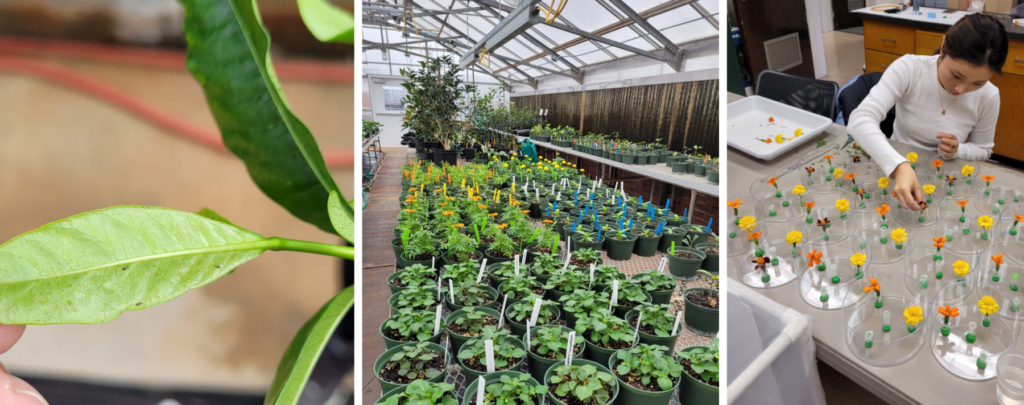
Dr. Rhuantio Ferrarezi’s lab


Dr. Andrew Ogden’s lab


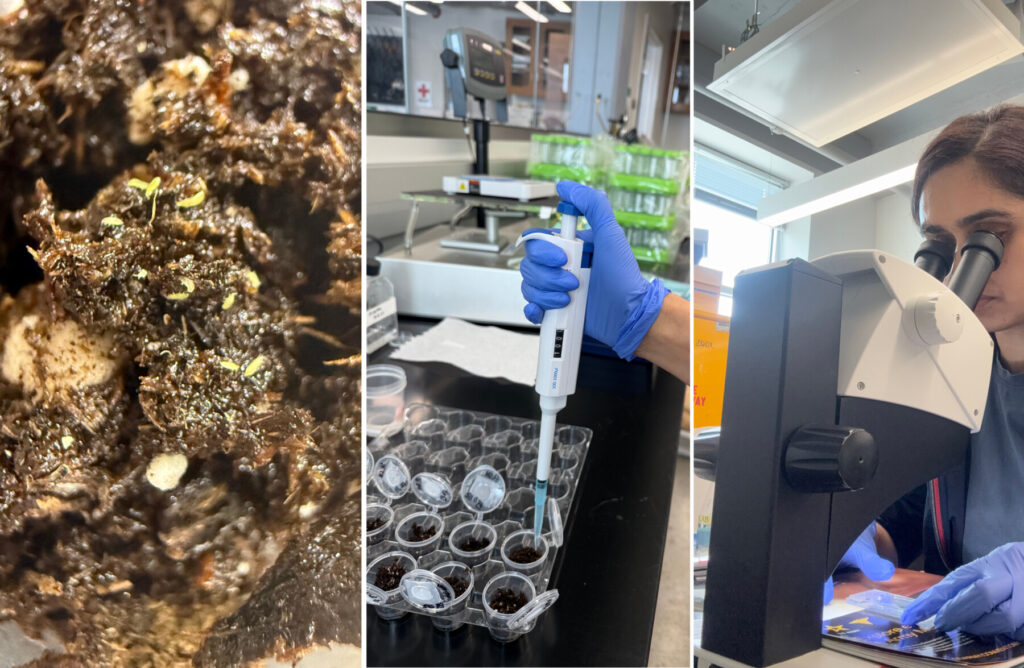
Dr. Erich Schoeller’lab
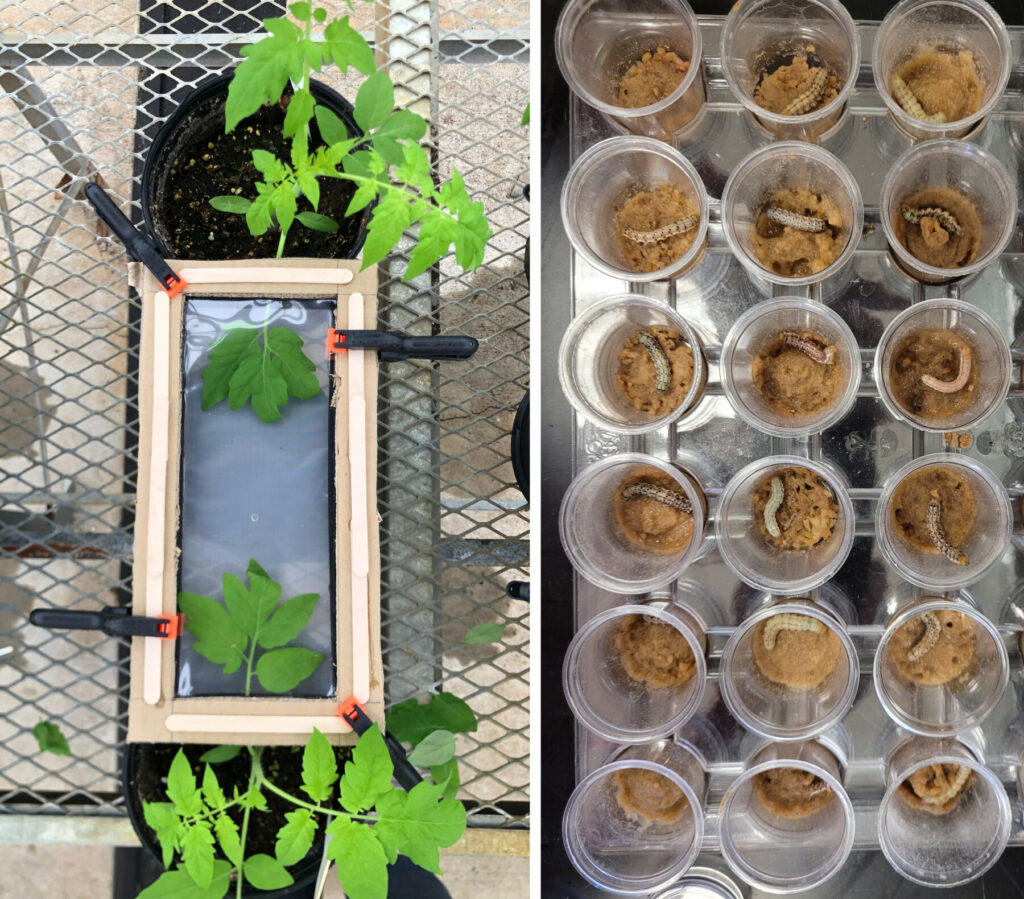
Dr. Zhihang Song’s lab


